What to Prepare Before Asking for an OEM Motor Sample
Prepare the application, operating, mounting and validation information needed to discuss an OEM motor sample.
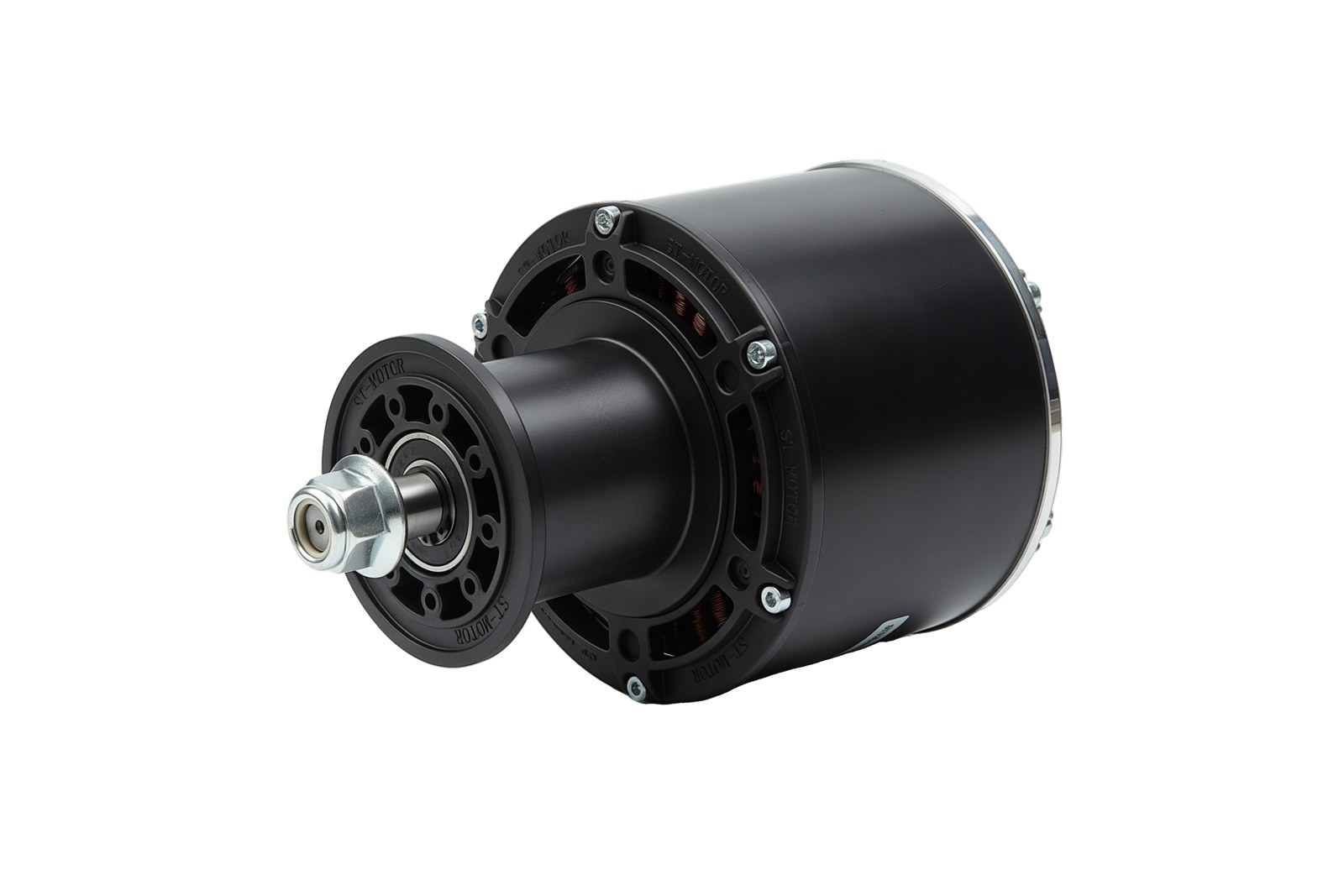
Before requesting a motor sample, prepare a short project brief that explains your equipment, operating requirements and installation constraints. A finished specification is helpful, but it is not essential for the first discussion. If power, voltage or mounting details are still open, say so and describe what you already know. The aim is to define a configuration and a useful validation plan.
1. Describe the equipment and application
State whether the project is a treadmill, strength training machine, vertical climber or another fitness product. Explain the motion the motor must support and the stage of development. For a treadmill, distinguish a motorized slat-belt design from a home or walking treadmill. For strength equipment, describe the training motion, transmission and intended resistance requirements.
2. Explain power, speed and operating duration
Share your target output power, required speed and load information where available. Identify whether a power figure describes motor output or electrical input, and whether it is a continuous target or a short peak. Power alone does not define a suitable motor: the required torque and speed matter together. Describe running periods, pauses and expected changes in load. Do not assume that a catalogue output figure guarantees unlimited continuous operation in your equipment.
3. Clarify voltage and the control arrangement
Provide the intended motor operating voltage and identify AC or DC where known. Distinguish this from the equipment mains input or a controller supply specification. Describe the controller and feedback requirements that your team plans to use, marking unresolved details clearly. ST MOTOR supplies motors; the controller, software and complete equipment control system are outside its supply scope.
4. Prepare mounting and transmission information
Describe the available installation space, mounting arrangement, shaft or pulley connection and mechanical transmission. If you have an existing motor or drawing, explain what information you can share during the discussion. Product photographs can help identify a configuration, but they do not replace dimensional drawings. ST MOTOR provides relevant drawings and product documents directly after discussion rather than through public product downloads.
5. Define what the sample must help you verify
List the questions you want the sample to answer, such as mounting fit, operation under the intended load or compatibility with your equipment. Describe installation and cooling conditions and propose how your team will record results. ST MOTOR’s development process includes internal sample tests followed by validation in the customer’s equipment. Test selection depends on the application and agreed requirements; showing test equipment does not mean every sample undergoes every test.
6. Send a clear enquiry, including what remains unknown
Include your company, project contact and any series you are considering. Separate confirmed requirements from estimates and open questions. For a generator project, provide display power demand, voltage, operating speed and transmission ratio, and discuss the customer’s equipment power circuit. Start with the available facts, then agree the configuration, sample arrangements and validation steps with ST MOTOR. You can begin the conversation before every technical detail is finalized.