Treadmill Motor Selection: Power, Speed and Duty Requirements
Define the power, speed, duty, voltage and mounting requirements for a treadmill motor project before comparing configurations.
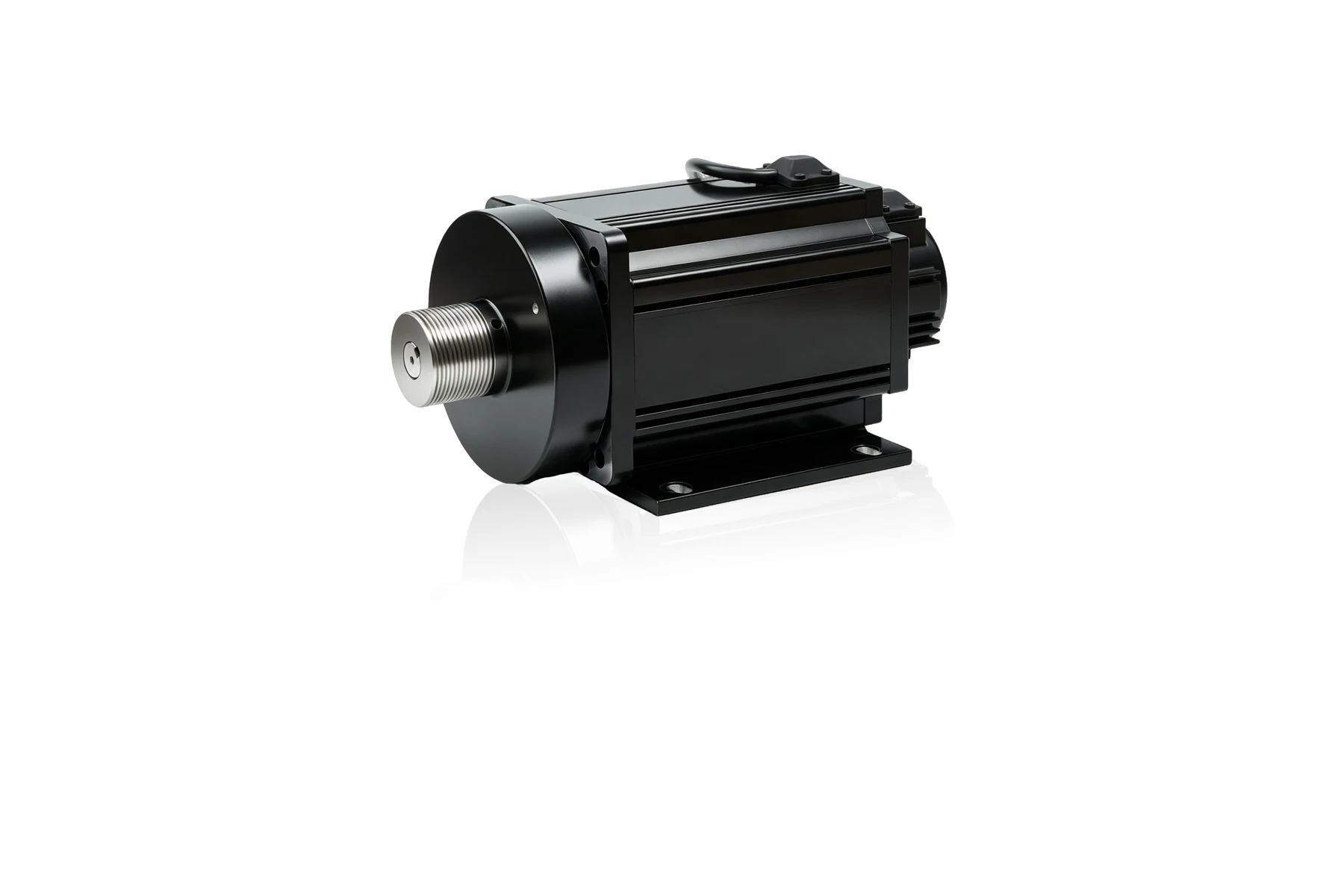
A treadmill motor should be selected around the equipment’s operating requirements, not a horsepower or watt figure alone. Before comparing series, define the load, required motor speed, running periods and installation constraints. Keep the project’s target requirements separate from catalogue specifications, then confirm how the proposed configuration will be validated in your equipment.
1. Define the operating point, not just the power figure
Describe the motor speed and torque your design requires. Mechanical output power depends on both, so two motors with a similar power label are not automatically interchangeable. Explain the belt-drive arrangement and transmission information available to your team. If the motor requirements have not yet been calculated, share the equipment design and identify the details that still need engineering review.
2. Separate the continuous target from short peaks
State whether the power requirement refers to sustained running or a brief load increase. Describe how long each operating condition lasts, the pauses between runs and the expected pattern of load changes. A peak output value is not a continuous rating. Ask which operating conditions apply to each proposed configuration rather than extending one catalogue value to every speed, load or running duration.
3. Keep voltage definitions clear
Specify whether a voltage figure refers to the motor, the controller supply or the equipment mains input. Preserve the AC or DC designation in the relevant specification and ask about any unclear label. Discuss the intended controller and feedback arrangement with the responsible supplier. ST MOTOR supplies the motor; controllers and control software are not included. Training functions require the customer’s control system and equipment design.
4. Review mounting, transmission and cooling together
Prepare the available installation space, mounting arrangement and shaft or pulley requirements. Explain how the motor will be installed and cooled under the intended load. A product photograph can identify a series, but it cannot confirm dimensional fit. Request the relevant drawing after discussing the model and mounting requirements. Any proposed changes to structure or specifications need a project assessment.
5. Choose a series as a starting point for validation
ST130F is an existing inner-rotor servo motor series for commercial and motorized slat-belt treadmill projects. Home and walking treadmill applications also have brushed and brushless DC motor options. Use the relevant application and series pages to begin the discussion, then confirm the configuration against your requirements. Different uses should lead to the same existing model page, preserving a single reference for that series.
6. Agree what the sample needs to demonstrate
Define the mounting checks and loaded operating conditions that matter to your project. Agree which results your team will record during validation in the complete equipment. ST MOTOR’s development process includes internal sample testing and customer equipment validation, with design refinement where needed. If a requirement is still open, mark it as unresolved and discuss it before treating the configuration as approved.